Why galaxies come in different shapes
Space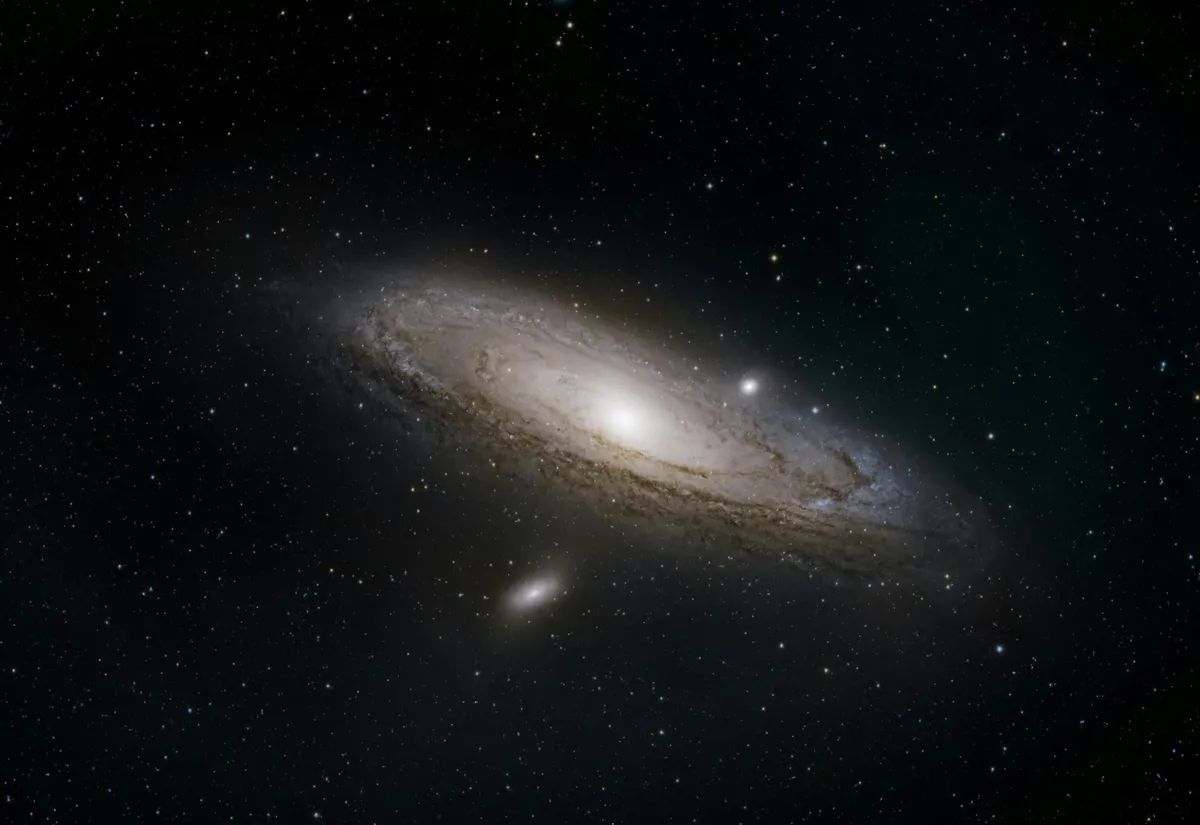
Galaxies take on different shapes as a result of their formation history, internal dynamics, and interactions with other galaxies.
Galaxies are commonly classified into a few broad categories, including spiral, elliptical, and irregular forms. Their appearance is influenced by factors such as rotation, age, environment, and interactions with neighboring galaxies.
The structure of spiral galaxies
Spiral galaxies are among the most recognizable objects in the universe. They feature a central bulge surrounded by rotating arms that contain stars, gas, and dust. These arms are regions of active star formation, giving spiral galaxies their distinctive appearance.
The Milky Way, home to our Solar System, is believed to be a barred spiral galaxy.
Elliptical galaxies
Unlike spirals, elliptical galaxies lack well-defined structures. They range from nearly spherical to highly elongated shapes and generally contain older stars with little ongoing star formation.
Many of the largest galaxies in the universe belong to this category.
Galactic collisions
Galaxies are not isolated objects. Over billions of years, gravitational interactions can distort their shapes and even lead to mergers. These encounters may trigger bursts of star formation and dramatically alter a galaxy's structure.
Evidence of past collisions can often be seen in tidal streams, warped disks, and other unusual features.
A constantly changing universe
Although galaxies appear static on human timescales, they are constantly evolving. New stars are born, old stars die, and gravitational forces continue to reshape these vast collections of matter.
By studying the diversity of galactic forms, astronomers gain valuable insights into the history and evolution of the universe.