
Alex Carter
Writer and editor with an interest in science, technology, and the ideas shaping the modern world.
Visit website-

What we know about black holes
Black holes are regions of space where gravity becomes so strong that nothing, not even light, can escape once it crosses a certain boundary.
-

Understanding waves and energy
Waves transfer energy from one place to another and appear in many forms, from ocean swells to light and sound.
-

The illusion of stillness in the night sky
The night sky appears static, but everything within it is in constant motion. What we perceive as stillness is the result of vast distances and time scales far beyond human experience.
-

How gravity shapes the universe
Gravity shapes the structure of the universe, influencing everything from falling objects to the motion of galaxies.
-

Why biodiversity is important
Biodiversity helps ecosystems remain resilient by supporting a wide range of interactions between species and their environments.
-

How attention shapes perception
Attention is a limited resource that helps the brain prioritize information while filtering out countless competing stimuli.
-

Why open-source software matters
Open-source software allows anyone to inspect, modify, and distribute code, making it one of the foundations of modern technology.
-

Why galaxies come in different shapes
Galaxies take on different shapes as a result of their formation history, internal dynamics, and interactions with other galaxies.
-

How cells maintain internal balance
Cells regulate their internal environment to maintain stability through continuous chemical adjustments, a process known as homeostasis.
-

Why modern software is increasingly complex
Modern software has become increasingly complex due to layers of abstraction, scalability demands, and the growth of interconnected tools and systems.
-
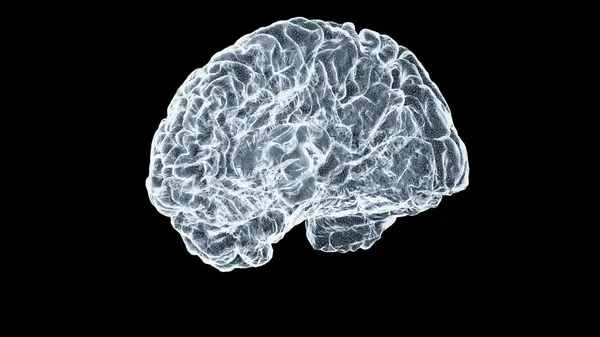
How the brain constructs reality
The brain does not passively record reality; it actively constructs it through prediction, prior experience, and continuous interpretation of sensory input.
-

The evolution of personal computing
Personal computing has evolved from centralized machines to interconnected devices that shape communication, work, and everyday digital experiences.